



If you’re already doing 15+ deals a year, 2026 is not your problem year—it’s your leverage year. The Portland Metro market has more inventory, stable prices, and longer timelines. That combination punishes inconsistency and rewards skill, systems, and follow‑through.
Year‑to‑date, new listings are up 2.5%, pending sales are up 0.7%, and closed sales are up 1.4%. Average sale price is up 0.6% and median price is up 1.1%, while average days on market have stretched from 57 to 65 and hit 81 days in December, with 2.9 months of inventory. The pie is slightly bigger, but it takes more intention to get your slice.
The Real Story of the 2026 Market
Here’s the “economist of choice” version of the Portland Metro story you can share with clients and your database:
- More homes are hitting the market than last year.
- Homes are taking longer to go under contract.s
- Prices are holding steady with a slight upward tilt, not crashing.
Snapshot table you can use in consults
| Metric (Portland Metro, YTD) | 2024 | 2025 | Change |
|---|---|---|---|
| New listings | 29,586 | 30,316 | +2.5% |
| Pending sales | 21,961 | 22,120 | +0.7% |
| Closed sales | 21,715 | 22,023 | +1.4% |
| Avg sale price | $608,600 | $612,100 | +0.6% |
| Median sale price | $543,000 | $549,000 | +1.1% |
| Avg market time (days) | 57 | 65 | +14.0% |
| Inventory (Dec, months) | 2.7 | 2.9 | Higher supply |
All data: RMLS Portland Metro December 2025 Market Action Report.
Graphic idea:
Drop in a simple dual‑line graphic that shows:
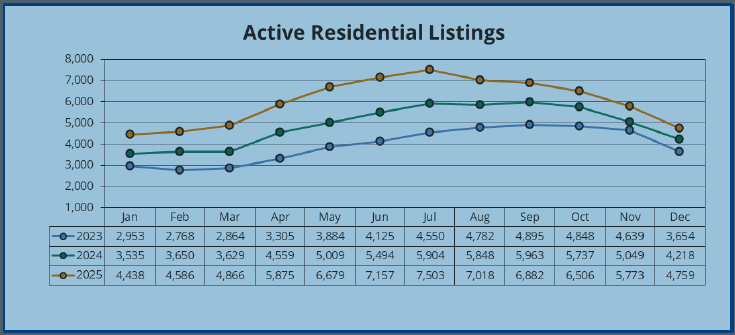
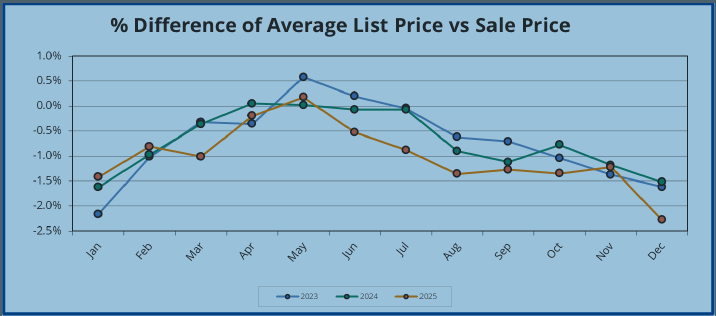
More competition. Stable prices. The agents who win are the ones who show up every week, not once in a while.
Scripts for Buyers: Use the Data, Not Drama
Your buyers are hearing “rates,” “uncertainty,” and “crash.” You bring data and a plan.
Market framing for buyers
“Here’s the straight story on our market right now. Inventory has been climbing for three years, and homes are taking around 60–80 days to go under contract on average instead of a weekend. Prices are basically flat, up only about 1% year over year, which means there’s no crash, but there’s also less pressure to overpay. That combination—more choice, stable prices, and a slower pace—is exactly when smart buyers move.”
Affordability without fearmongering
“The affordability index for our region shows that a family earning the median Portland Metro income—about $124,100—can afford roughly 99% of the payment on a median‑priced home at today’s rates, assuming 20% down on a 30‑year fixed. That tells us homeownership is still within reach for many buyers. It also tells us that if you wait for rates to drop, you’ll probably be buying in a higher‑price, more competitive market. The better play is to buy the right home now and refinance when it makes financial sense.”
Strategy script: how you’ll help them win
“My job is to turn this market into an advantage for you. We’re going to target homes that have been on the market 21–45 days—those are the listings where seller motivation is higher and we have room to negotiate on price, closing costs, or repairs. I’ll back every offer with live data on days on market, list‑to‑sale ratios, and competing inventory in your target area so we’re writing offers that are strong enough to win without giving money away.”
Scripts for Sellers: Position, Don’t Pray
Sellers need a clean, confident explanation of why their neighbor’s home “flew off the shelf” in 2021 and theirs won’t—and why that’s okay.
Market framing for sellers
“Here’s what the numbers say. Prices in our area have held and even ticked up slightly—average sale price is up around half a percent and median is up about 1% over last year. At the same time, homes are taking longer to sell, with average time on market now in the 60–80‑day range, and inventory a bit higher than it’s been. That means you’re not giving your house away, but you do have to compete for the buyer’s attention now.”
Pricing as a strategy, not a wish
“Think of your price as your marketing magnet. If we price at the very top of what the data supports, we risk low showings, stale days on market, and price cuts that ultimately net you less. If we price where your home is clearly the best value among the competition, we attract more showings in the first 14 days—that’s where the strongest offers live and where you typically net the most.”
Expectation setting: time and adjustments
“Given today’s numbers, I want you mentally prepared for a 60–90‑day runway as normal, not a red flag. My promise is that we won’t ‘list and hope.’ We’ll watch showings, feedback, and competing inventory weekly. If the market isn’t responding how it should to a well‑priced, well‑presented home in that timeframe, I’ll come back to you with a specific adjustment on price, presentation, or incentives based on what the data is telling us—not on guesswork.”
Turn the Market Data Into a Weekly Lead Gen Habit
The biggest gap for seasoned agents isn’t knowledge, it’s consistency. Use the same numbers to fuel simple, repeatable lead gen.
Market Monday: 60 minutes you never skip
Once a week, run the same block:
- 15 minutes – Scan the market.
- Months of inventory (around 2.9).
- Average days on market vs last month/quarter.
- Direction of new listings and pendings (up, down, flat).
- 30 minutes – 10 high‑value touches.
- 5 homeowners in your database:
“Quick update from the Portland market: more homes are coming on, prices are holding, and average time to sell has stretched into the 60–80‑day range. That creates both opportunities and trade‑offs. Want a quick 5‑minute look at what this means for your equity or timing?” - 5 past buyers or warm leads:
“The market has added more inventory and slowed down a bit while prices stay stable. It’s actually a better environment for move‑up or investment purchases than the bidding‑war years. Have you thought about a next move in the next 12–24 months?”
- 5 homeowners in your database:
- 15 minutes – One social post.
Short, visual, punchy:
“Portland Metro 2025: more listings, slightly longer days on market, stable prices. This is a skills market now—not a speed market. If you want a custom breakdown for your address, DM me ‘REPORT.’”
Follow‑Through Systems That Protect Your GCI
Lead gen without follow‑through is just noise. The 2025 market gives you more time for follow‑up; your systems decide whether you use it.
14‑Day Listing Review: Your Built‑In Value Moment
The average listing is no longer gone in a weekend—use that to your advantage.
How to present it:
“In this market, average time on market is now in the 60–80‑day range, not 7–10 days like a few years ago. I don’t just put your home in the MLS and wait. We build in a 14‑day performance review from day one. At that point, we’ll look at showings, feedback, and how we stack up against the competition, and decide together if we stay the course or make a strategic adjustment.”
What you do:
- Track:
- Number of showings vs similar listings.
- Feedback themes (price, condition, location, etc.).
- New competing listings and any price changes nearby.
If you’re behind the pace:
“Based on how similar homes perform in the first two weeks and the current average time on market, we’re tracking behind the results we want. Here are three specific options I recommend: a price adjustment to align with where buyers are actually writing offers, small presentation improvements to better compete online, or a targeted incentive like closing cost help or a rate buydown. My goal is to keep you ahead of the market, not chasing it.”
Weekly “Opportunity List” for Buyers
Higher inventory means you can manufacture deals instead of waiting for them.
Once a week:
- Pull 5–10 listings in your farm or niche:
- 21+ days on market.
- Slightly above your typical buyer price point.
Reach out:
“I’ve been watching the numbers this week. There are a few homes in your target area that have been sitting longer than average, which usually means the sellers are more open to negotiating price or closing costs. If you’re open to looking a bit above your original price range, we may be able to negotiate the payment back down to where you’re comfortable. Want my top 3 picks for this week?”
This turns “follow‑up” into a simple weekly habit that consistently sparks showings and offers.
Great Brokers Have Support
If you’re already closing 15+ deals a year, you don’t need more hype. You need clean data, clear scripts, and simple systems you can run every week without burning out. 2025 is giving us more inventory, stable prices, and longer timelines—which is a gift to agents who show up consistently while others drift. If you want to plug into a community where we turn this market into an actual GCI plan, not just a talking point, let’s talk.